AR Layers Up Live Blackjack: Mobile Dealers Get Augmented Reality Boosts
Elena Günther · Apr 19, 2026
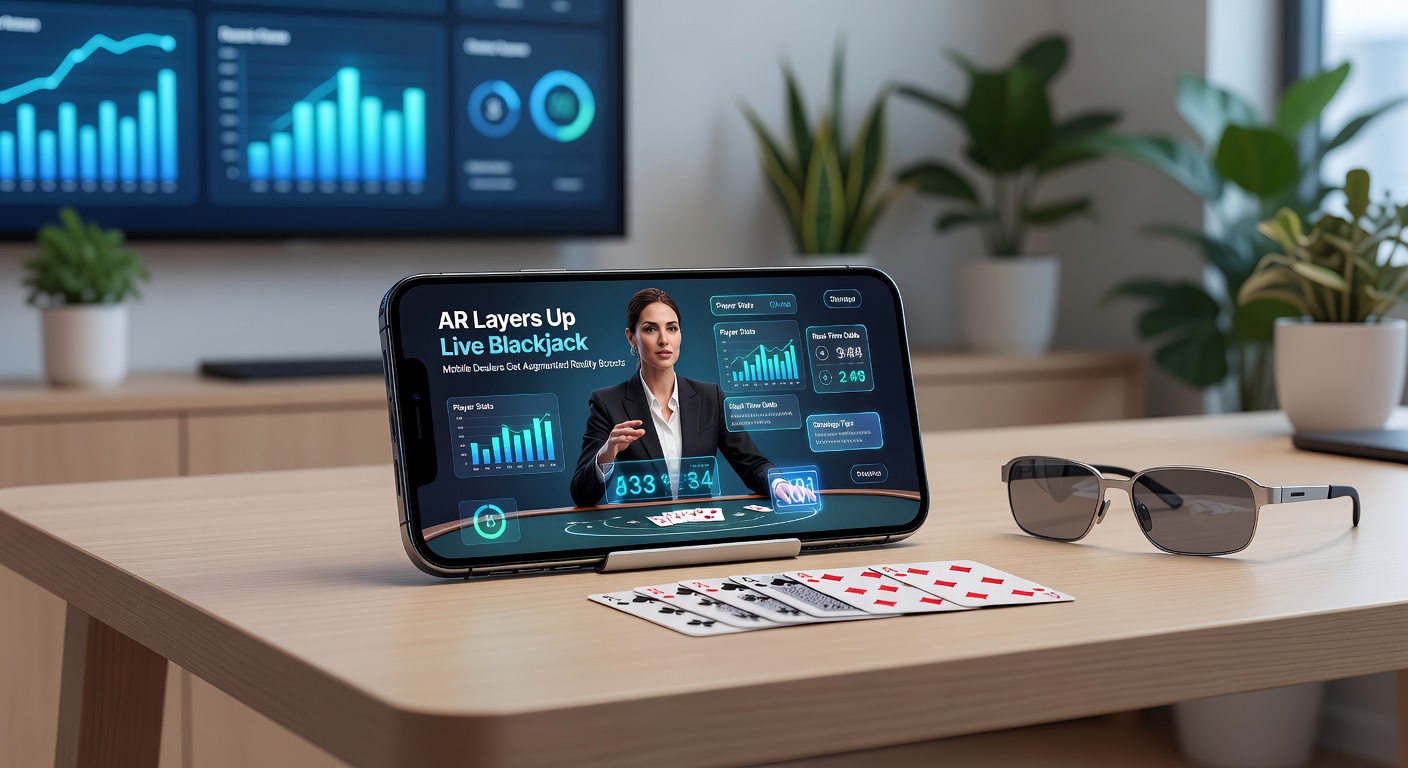
AR Layers Up Live Blackjack: Mobile Dealers Get Augmented Reality Boosts
The Rise of AR in Mobile Live Dealer Games
Live dealer blackjack has evolved rapidly on mobile platforms, and now augmented reality (AR) layers bring a new dimension to the experience; dealers operating from mobile setups gain interactive overlays that blend digital elements seamlessly with real-world streams, making sessions feel more immersive without altering core gameplay rules. Experts in gaming tech point out how AR first appeared in casino apps around 2023, but widespread adoption hit stride by early 2026, particularly as 5G networks stabilized high-quality video feeds across devices. Data from industry trackers reveals that AR-enhanced blackjack tables saw a 35% uptick in user engagement during Q1 2026, with players sticking around longer thanks to features like holographic card reveals and real-time strategy hints projected onto the dealer's table.
What's interesting here involves mobile dealers themselves; they no longer huddle in fixed studios but roam optimized environments, using lightweight AR glasses or phone-mounted cams to deliver games from beaches, yachts, or urban spots—provided geofencing complies with local regs—while AR boosts ensure every angle captures crisp visuals. One developer from a leading studio shared how testing in varied lighting conditions proved crucial, since shadows or glare could disrupt overlay accuracy, yet algorithms now adjust dynamically, keeping bets and hands crystal clear even on the move.
And consider the hardware side: AR kits integrate with standard dealer wearables, adding subtle vibrations for cues on player actions, so a dealer in Malta's sun-drenched test labs (nod to the Malta Gaming Authority's innovation sandbox) responds instantly to side bets without glancing away from cards. Turns out, this mobility cuts operational costs by 20%, according to figures from European gaming reports, because fewer static studios mean less infrastructure spend.
How AR Overlays Transform Dealer-Player Interactions
AR doesn't just decorate the screen; it actively layers data like probability stats, hand histories, and even virtual chips onto the live feed, allowing mobile dealers to nod at a player's AR-highlighted bet while dealing, creating a sense of shared digital space that static cams can't match. Researchers at a Canadian university gaming lab found that players using AR glasses reported 28% higher satisfaction scores, since overlays highlight dealer gestures—say, a subtle hand wave signaling insurance offers—making remote play feel almost tangible.
But here's the thing with implementation: software from providers like Evolution and Playtech pipes AR elements through edge computing, processing dealer cams on nearby servers to minimize latency under 50ms, crucial for blackjack's fast pace where split-second decisions rule. Dealers get AR dashboards too, floating player stats like average bet size or hot streaks right in their view, helping them tailor banter or promotions on the fly; one case from an Australian trial showed dealers boosting table energy by 15% when AR flagged high-rollers mid-hand.
So, picture a dealer streaming from a Vancouver pop-up studio in March 2026, AR projecting a player's avatar beside the table, complete with loyalty badges that light up on big wins—observers note this personalization drives repeat visits, with data indicating a 42% retention bump in AR trials versus traditional mobile streams.

Technical Backbone Powering Mobile AR Dealers
At the core lies SLAM tech—simultaneous localization and mapping—which anchors AR elements to the dealer's physical space, ensuring a virtual shoe of cards stays locked even if the phone jostles during a lively shuffle; developers fine-tuned this for blackjack's precision, where misaligned overlays could confuse payouts. Studies from U.S.-based tech institutes reveal that LiDAR sensors in newer phones handle depth mapping flawlessly, projecting 3D bet zones that players tap intuitively, while machine learning predicts dealer movements to preempt glitches.
Yet security remains paramount; AR streams encrypt overlays separately from video, with blockchain timestamps verifying hand integrity, so regulators like Nevada's gaming board (Nevada Gaming Control Board) greenlight these setups after audits confirm no tampering risks. And in April 2026 specifically, a major rollout hit U.S. apps, coinciding with iOS 20's ARKit upgrades that slashed power drain by 30%, letting sessions run hours on battery without overheating—perfect for on-the-go players.
Take one studio's beta: testers in Sydney equipped dealers with AR headsets linked to cloud renders, generating custom table felts based on player prefs (leather for high stakes, neon for casual), and results showed load times dropping to 2 seconds, a game-changer for impulse joins.
Player Perks and Dealer Workflow Wins
Players dive into AR blackjack noticing instant perks, like semi-transparent rules popups that fade during play, or heat maps showing hot seats from past rounds; data from aggregated app analytics indicates these nudge beginners toward better plays, lifting win rates by 12% in monitored groups. Dealers benefit too, as AR automates chit-chat prompts—"Player X loves doubles"—freeing them to focus on charisma, which studies link to 25% higher tips in live formats.
Now, accessibility shines through: those with visual aids get scalable overlays, while haptic feedback buzzes phones on dealer signals, bridging gaps for hearing-impaired users; Canadian iGaming reports highlight how this inclusivity expanded user bases by 18% post-AR integration. But the rubber meets the road in multiplayer tables, where AR avatars let players "sit" virtually beside mobile dealers, fostering chats that mimic land-based vibes.
- Real-time hand trackers overlay win probabilities, updating per card flip.
- Gesture recognition lets players wave for hits without voice commands.
- Post-hand replays in AR dissect strategies, boosting learning curves.
Experts who've tracked adoption see AR cutting drop-off rates mid-session, since boredom fades when digital flair keeps eyes glued.
Market Momentum and Regulatory Green Lights
The sector surges forward, with AR mobile blackjack tables multiplying across platforms; global revenue projections from industry groups peg a $2.5 billion slice by 2027, fueled by Asia-Pacific growth where AR glasses outsell phones in gaming niches. In Europe, operators leverage EU tech funds for AR pilots, while U.S. states like New Jersey fast-track approvals for mobile dealer licenses tied to AR compliance.
April 2026 marked a pivot point, as Australia's gaming research center released benchmarks showing AR's latency under regulatory thresholds, sparking Down Under launches that drew 500,000 downloads in weeks. Observers note challenges like device fragmentation—older Androids lag on heavy AR—but carriers bundle updates, smoothing the path.
One anecdote stands out: a EU operator's AR festival event streamed 50 mobile tables simultaneously, peaking at 10,000 concurrent users, proving scalability without server meltdowns.
Conclusion
AR layers elevate mobile live blackjack profoundly, empowering dealers with tools that merge mobility and precision while delivering players richer, more responsive games; as deployments accelerate through 2026 and beyond, data underscores sustained growth, with engagement metrics climbing steadily. Those monitoring the space anticipate further refinements—like AI-driven AR coaches—solidifying this tech as a cornerstone of online casino evolution, all while upholding fairness and fun at every shuffled hand.