Climbing the Ranks: Tiered Loyalty Systems That Keep Players Hooked in Online Casinos and Sportsbooks
Rafael Baumann · Apr 21, 2026
Climbing the Ranks: Tiered Loyalty Systems That Keep Players Hooked in Online Casinos and Sportsbooks
How Tiered Loyalty Programs Operate in the Digital Gaming World
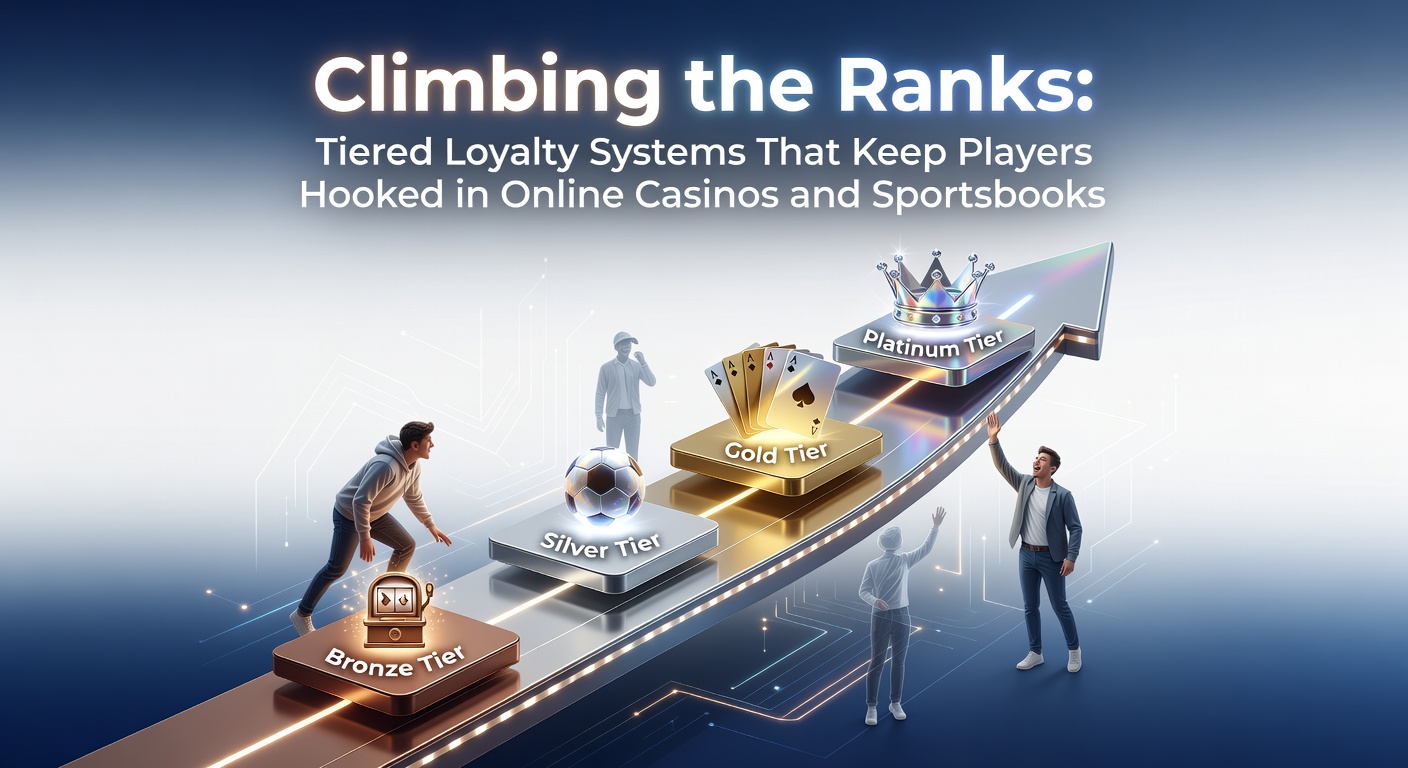
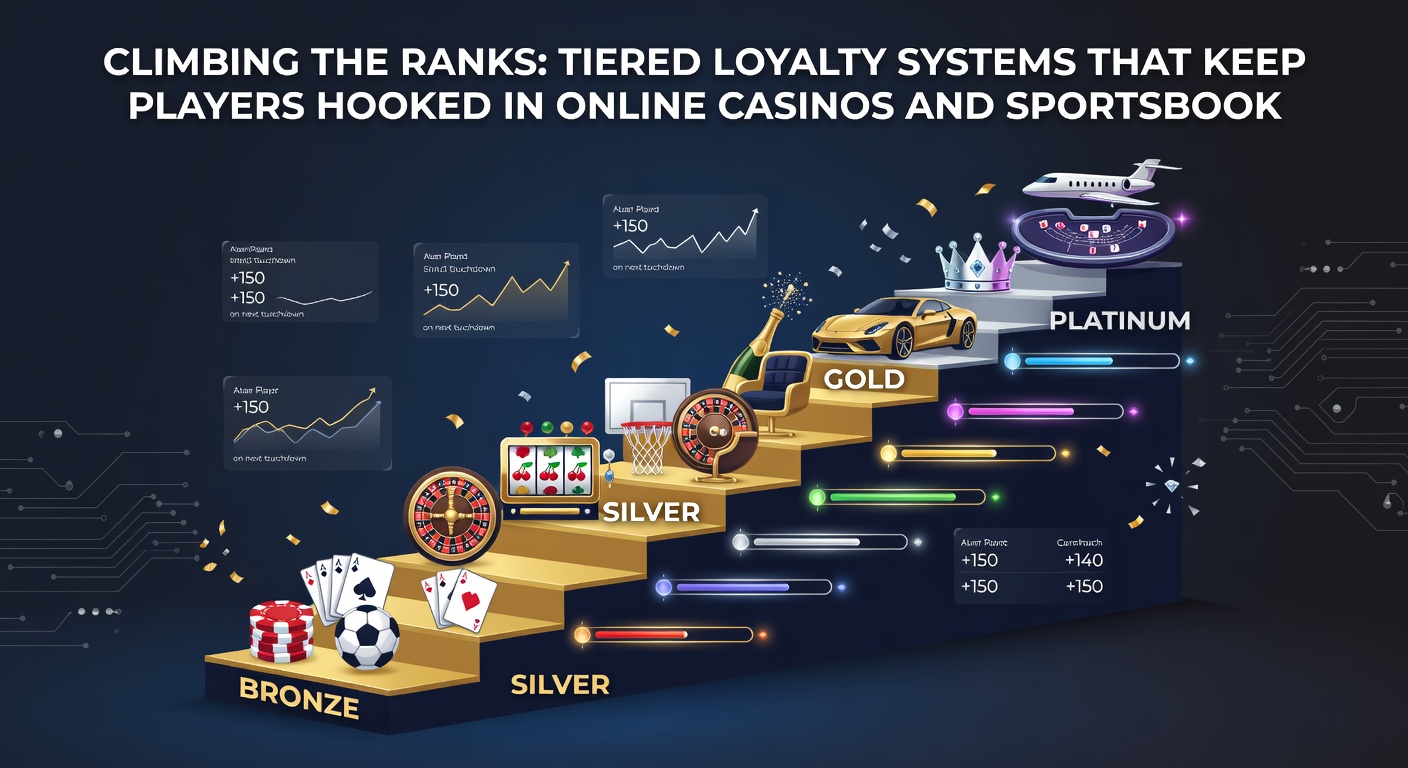
Online casinos and sportsbooks deploy tiered loyalty systems to reward consistent play, structuring them around progressive levels that players ascend by accumulating points from wagers, deposits, or specific actions like daily logins; these programs, often called VIP ladders or elite clubs, start at entry-level bronze or silver tiers and climb to platinum, diamond, or invite-only master levels, where perks escalate dramatically with each rung.
Players earn points automatically through real-money bets—slots might award one point per dollar wagered, while table games or sports parlays offer adjusted rates based on house edge—turning routine activity into measurable progress that platforms track via personalized dashboards; data from industry reports shows these systems boost average session times by up to 35%, as participants chase the next tier upgrade.
Take BetMGM's MGM Rewards, which integrates casino play with sportsbook action across six tiers; members advance by spending, unlocking faster withdrawals and exclusive event access, or consider DraftKings Dynasty Rewards, where daily missions propel users from Ruby to Black Diamond, each step granting bonus bets and loss rebates tailored to sports enthusiasts.
The Mechanics Behind Player Retention and Engagement
These tiered structures leverage gamification elements—badges, progress bars, and milestone notifications—that mimic video game achievements, prompting players to log in frequently; researchers at the Niagara Institute for Gambling Research found that tiered programs increase deposit frequency by 28% among mid-level participants, who anticipate personalized birthday bonuses or higher cashback rates upon promotion.
But here's the thing: higher tiers often require sustained volume, like $10,000 in monthly wagers for gold status, yet platforms sweeten the deal with loss protection up to 20% and priority customer support; observers note how sportsbooks layer in season-long challenges, where parlays on major leagues accelerate point accrual, keeping bettors engaged through playoffs or tournaments.
What's interesting is the cross-platform synergy; Caesars Rewards, for instance, links online casino tiers to physical hotel comps, allowing a diamond-level online player to redeem points for Vegas suites, while FanDuel's tiers extend to live events, blending digital loyalty with real-world perks that extend play cycles.
Key Perks That Drive Long-Term Participation
- Entry tiers offer basic cashback, say 5% on losses, and free spins, building habits without overwhelming new users.
- Mid-level silver or gold unlocks personalized account managers, higher withdrawal limits—often $50,000 daily—and boosted odds on select bets.
- Top-tier elites receive bespoke invitations to high-roller tournaments, private jets for events, or even profit-sharing models where platforms rebate a percentage of theoretical losses indefinitely.
Figures from the American Gaming Association's 2025 retention study reveal that VIP members at platinum levels wager 4.2 times more than bronze counterparts over a year, attributing this to tailored rakeback and negative progression insurance that cushions downturns.
And sportsbooks adapt uniquely; PointsBet's tiered system, rebranded under Fanatics in early 2026, rewards prop bet specialists with enhanced parlays during NBA finals, where diamond players snag 10% odds boosts—data indicates such features spike retention by 42% during peak seasons.
Real-World Case: Evolution of Programs in Regulated Markets
In Ontario, where the Alcohol and Gaming Commission oversees iGaming, platforms like OLG's PROLINE+ rolled out tiered loyalty in 2024, reaching five levels by April 2026 with sports-focused escalators; one study tracked 15,000 users, finding gold-tier athletes bet 60% more on NHL moneylines, sustained by tier-exclusive futures markets.
Down under, Australia's Tabcorp integrates tiers across TAB sportsbooks, where emerald-level punters access 15% rebates on exotics; regulators from the Northern Territory Racing Commission report these systems correlate with a 25% drop in churn rates, as players grind for invitations to private Melbourne Cup viewings.
Psychological Hooks and Data-Driven Design
Tiered systems tap into loss aversion and endowment effects—players irrationally value nearing-tier status, wagering extra to avoid demotion, which many programs enforce seasonally; experts who've analyzed server logs from top operators observe how email campaigns announcing "You're 200 points from Platinum!" lift deposits 18% within 48 hours.
Turns out, machine learning refines this further; platforms like PointsBet use AI to predict churn, auto-boosting points for at-risk silvers, while casino giants employ dynamic multipliers—double points on low-volatility slots—to nudge progression without altering core odds.
Yet regulations shape delivery; in New Jersey, the Division of Gaming Enforcement mandates clear tier criteria and opt-out options, ensuring transparency, whereas Malta's Gaming Authority emphasizes responsible gaming caps, limiting elite perks to verified high-rollers and capping daily point caps for recreational tiers as of April 2026 updates.
One researcher who dissected 2025 player data from European markets discovered that hybrid casino-sportsbook programs retain 37% more users than siloed ones, thanks to unified point pools where roulette spins fuel NFL futures climbs.
Challenges, Evolutions, and April 2026 Trends
Critics highlight addiction risks, yet data from the Nevada Gaming Control Board's quarterly audits shows tiered programs, when paired with self-exclusion tools, reduce problem gambling flags by 12% through moderated perk pacing; platforms now integrate April 2026 blockchain pilots for tamper-proof point ledgers, appealing to crypto-savvy bettors in emerging markets.
So, expect personalization surges—AI-driven tiers that adapt to bet types, like elevating soccer specialists during World Cup qualifiers; Australia's iGaming landscape, per recent state inquiries, projects tiered growth to 45% of retention budgets by 2027, with mobile-first designs dominating.
There's this case where a Pennsylvania sportsbook, under Pennsylvania Gaming Control Board oversight, A/B tested tier visuals; the ladder metaphor outperformed badges by 22% in upgrade rates, proving subtle UI tweaks amplify hooks without changing math.
Now, with 5G rollouts complete by April 2026, real-time tier notifications during live games—think mid-inning alerts for MLB parlays—promise to deepen immersion, as early adopters like BetRivers report 30% session extensions.
Conclusion
Tiered loyalty systems stand as cornerstones of online casino and sportsbook retention, methodically converting casual wagers into habitual climbs through escalating rewards and gamified progress; data across regulated jurisdictions—from Ontario's provincial hubs to Nevada's tech-forward floors—consistently shows these ladders extend player lifetimes by 2-3 years on average, while evolving with AI, blockchain, and hyper-personalized perks ensure their grip tightens into 2026 and beyond.
Platforms that master this balance, blending generosity with regulatory compliance, not only hook players but foster ecosystems where bronze hopefuls evolve into diamond stalwarts, fueling industry growth one tier at a time.