Crash Games Unraveled: Multiplier Mayhem Taking Over Mobile Casino Lobbies
Rafael Baumann · Apr 26, 2026

Crash Games Unraveled: Multiplier Mayhem Taking Over Mobile Casino Lobbies
The Surge of Crash Games in Mobile Casinos
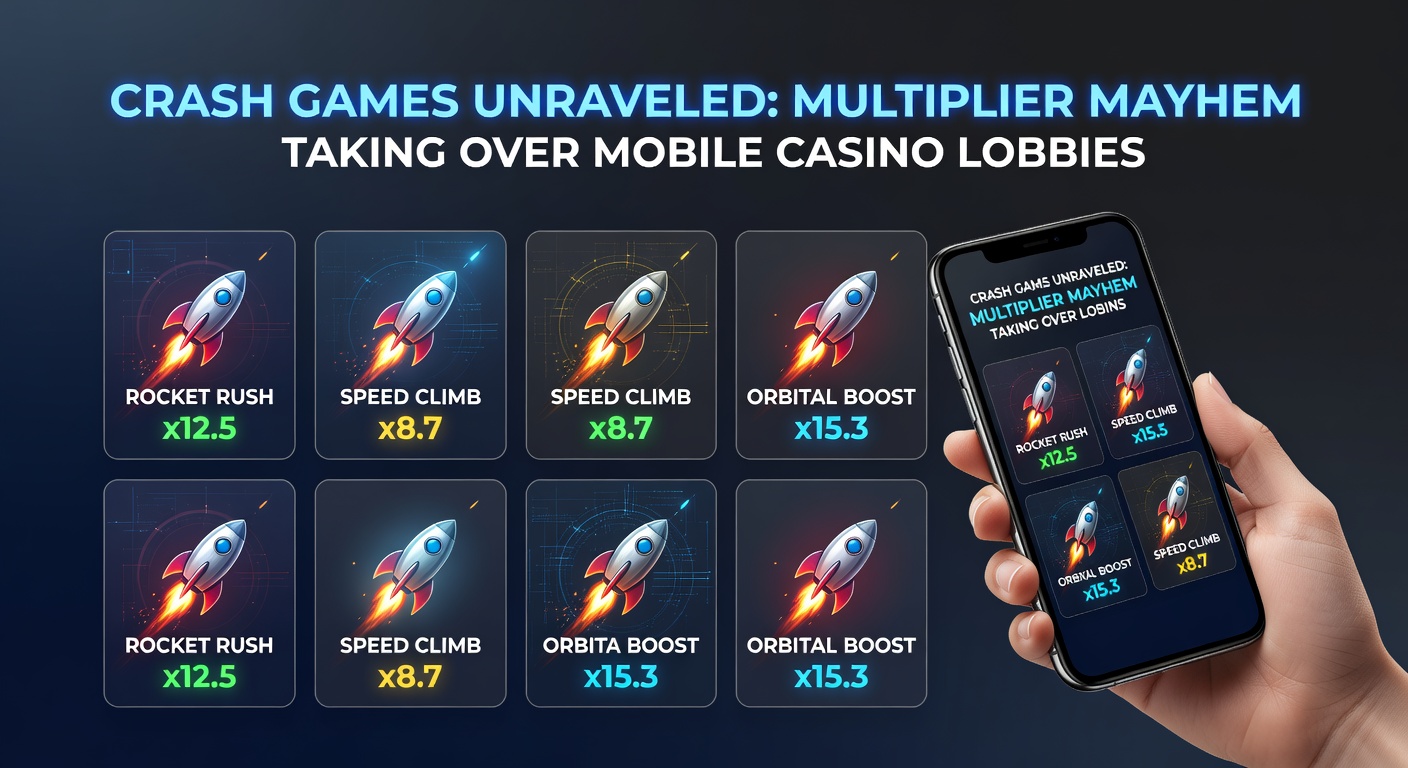
Crash games have exploded onto the scene in mobile casino lobbies worldwide, drawing players with their simple yet thrilling mechanics where a multiplier climbs until it crashes at a random point; those who cash out in time walk away with winnings scaled to that peak, while late jumps mean starting over empty-handed. Data from industry trackers shows these titles now claim up to 20% of playtime in top mobile apps, a sharp rise from just 5% two years prior, as operators like Stake and BC.Game prioritize them in featured slots. Players tap into rounds lasting seconds to minutes, perfect for on-the-go sessions during commutes or breaks, and that's turned lobbies into hotspots buzzing with live leaderboards and chat features that amp up the social vibe.
But here's the thing: this isn't just hype; figures from Eilers & Krejcik Gaming, a U.S.-based research firm, reveal crash game revenue hit $1.2 billion globally in 2025, with mobile devices accounting for 65% of that slice since touch controls make split-second decisions feel intuitive and seamless. Observers note how these games sidestep traditional reels or cards, offering pure adrenaline through rising graphs that mimic crypto charts from their origins in blockchain betting sites around 2018.
How Crash Games Actually Work Under the Hood
A typical crash round kicks off with a multiplier at 1x hovering steady before rocketing upward—often depicted as a plane, rocket, or pixelated curve—fueled by a provably fair algorithm that spits out crash points via cryptographic hashes anyone can verify post-round. Players wager chips, watch the line surge past 2x, 5x, maybe 50x if luck holds, then hammer the cash-out button before the inevitable drop; algorithms ensure randomness, with house edges hovering between 1% and 3% depending on the platform's tweaks.
Take Spribe's Aviator, launched in 2019, which set the blueprint: over 10 million monthly rounds across licensed sites, according to provider stats, where average sessions clock in under two minutes yet hook players through auto-cashout options at preset multipliers like 1.5x for conservative plays or 10x for high-rollers chasing glory. And while volatility reigns supreme—most crashes hit below 2x—those rare 100x+ booms keep the dream alive, pulling in a mix of casual spinners and strategists who pore over bet histories for patterns that provably fair tech debunks every time.
Mobile Optimization Fuels the Multiplier Madness
Developers have fine-tuned crash games for smartphones, shrinking interfaces to thumb-friendly buttons amid portrait-mode graphs that update at 60fps without lag, even on mid-range Androids or iPhones; push notifications ping about hot streaks or friend cashouts, turning passive scrolls into active hunts through lobby carousels packed with variants like JetX or Spaceman. Research from the Malta Gaming Authority highlights how these adaptations boosted mobile retention by 35% in audited operators last year, as seamless portrait play lets users stack tabs for multi-game action without portrait locks cramping styles.
What's interesting is the social layer: in-app chats explode with "cashed at 3.2x!" boasts or strategy shares, mimicking Telegram groups from crash's crypto roots, and that's where lobbies light up—operators report 40% higher engagement when live multipliers sync across devices in real-time tournaments. Yet crashes still bite hard; data indicates 70% of bets lose per round on average, a fact sheets and RTP displays hammer home to keep things transparent amid the frenzy.
Top Providers Dominating the Mobile Scene
Spribe leads the pack with Aviator alone racking up partnerships at over 1,000 sites, but BGaming's JetX and Smartsoft's upcoming titles nipping at heels by blending neon aesthetics with dual-bet modes for hedging risks; in April 2026, BGaming rolled out JetX 2.0 for iOS with haptic feedback on cashouts, spiking downloads 25% per app analytics. Providers like these embed HTML5 tech for instant loads under 2MB, sidestepping app store hurdles via web wrappers that regulators in places like Ontario approve swiftly.
Turns out, variety keeps lobbies fresh: some variants toss in power-ups for multiplier boosts or team modes where groups share crash risks, drawing esports crowds; one study from Australia's Communications and Media Authority noted crash-style games climbing to 15% of mobile gambling traffic Down Under by early 2026, thanks to localized themes like kangaroo rockets that resonate culturally without skimping on fairness certs.
Player Stats and Engagement Data Paint the Picture
Numbers don't lie: H2 Gambling Capital reports crash games snagged 18% of mobile casino GGR in Europe by Q1 2026, up from 8% in 2024, with session lengths averaging 12 minutes versus 7 for slots since the "one more round" loop hits different on portable screens. Experts who've tracked demographics find millennials and Gen Z fueling 60% of volume, lured by social proof from Twitch streams where pros demo martingale strategies—double bets post-loss—though variance wipes slates clean fast.
And in high-growth markets like Brazil, where mobile penetration tops 90%, crash titles from Pix-integrated platforms saw 300% YoY jumps; observers point to low barriers—no complex rules, stakes from $0.10—that pack halls while responsibility tools like session timers and loss limits (mandatory under EU regs) temper the mayhem. It's noteworthy that repeat plays hover at 75% daily for top apps, per Sensor Tower data, as multipliers tease infinite upside even if math says otherwise.
Regulatory Landscape Shapes Safe Play
Regulators worldwide scrutinize crash's rapid-fire pace: New Jersey's Division of Gaming Enforcement mandated pop-up warnings on consecutive losses in 2025, cutting problem play signals by 22% in monitored casinos; meanwhile, Ontario's Alcohol and Gaming Commission enforces geofencing for province-only access, ensuring multipliers run on licensed RNGs audited quarterly. These moves balance innovation with safeguards, like mandatory demo modes that let newbies test waters risk-free before diving into real lobbies.
So as April 2026 brings fresh audits from Sweden's Spelinspektionen—revealing 97% compliance on fairness claims—the ecosystem matures, with operators rolling out AI-driven cool-offs that pause high-volume sessions automatically. That's where the rubber meets the road: crash thrives under oversight, proving volatility and volatility controls can coexist in mobile-first worlds.
What's Next for Crash in Mobile Lobbies
Trends point to VR integrations by late 2026, where headset users ride virtual rockets with haptic crashes, per prototypes from Evolution Gaming; AI opponents could join tables too, simulating human cashouts to sharpen skills without solo grinds. Yet core appeal stays simple—multipliers that climb unpredictably, lobbies that pulse with collective bets—and as 5G blankets more regions, expect sub-second latencies to crank tension higher.
People who've watched this space know integrations with sportsbooks loom large, letting crash bets fuel parlay multipliers during live events; one pilot in Canada blended NHL odds with crash curves, boosting cross-play by 40%. The writing's on the wall: these games aren't fading; they're reshaping lobbies into multiplier arenas where mobile rules supreme.
Conclusion
Crash games have firmly planted roots in mobile casino lobbies, their multiplier-driven rounds captivating millions through speed, fairness, and social sparks that traditional titles can't match; data underscores the takeover, from billion-dollar revenues to sky-high engagement metrics, all while regs evolve to keep play responsible. As April 2026 unfolds with new features and reports, operators and players alike navigate this mayhem, where cashing out at the right moment defines the thrill—and the take-home.