Decoding Algorithmic Patterns in Real-Time Odds Adjustments Across Virtual Betting Platforms
Elena Günther · May 19, 2026
Decoding Algorithmic Patterns in Real-Time Odds Adjustments Across Virtual Betting Platforms
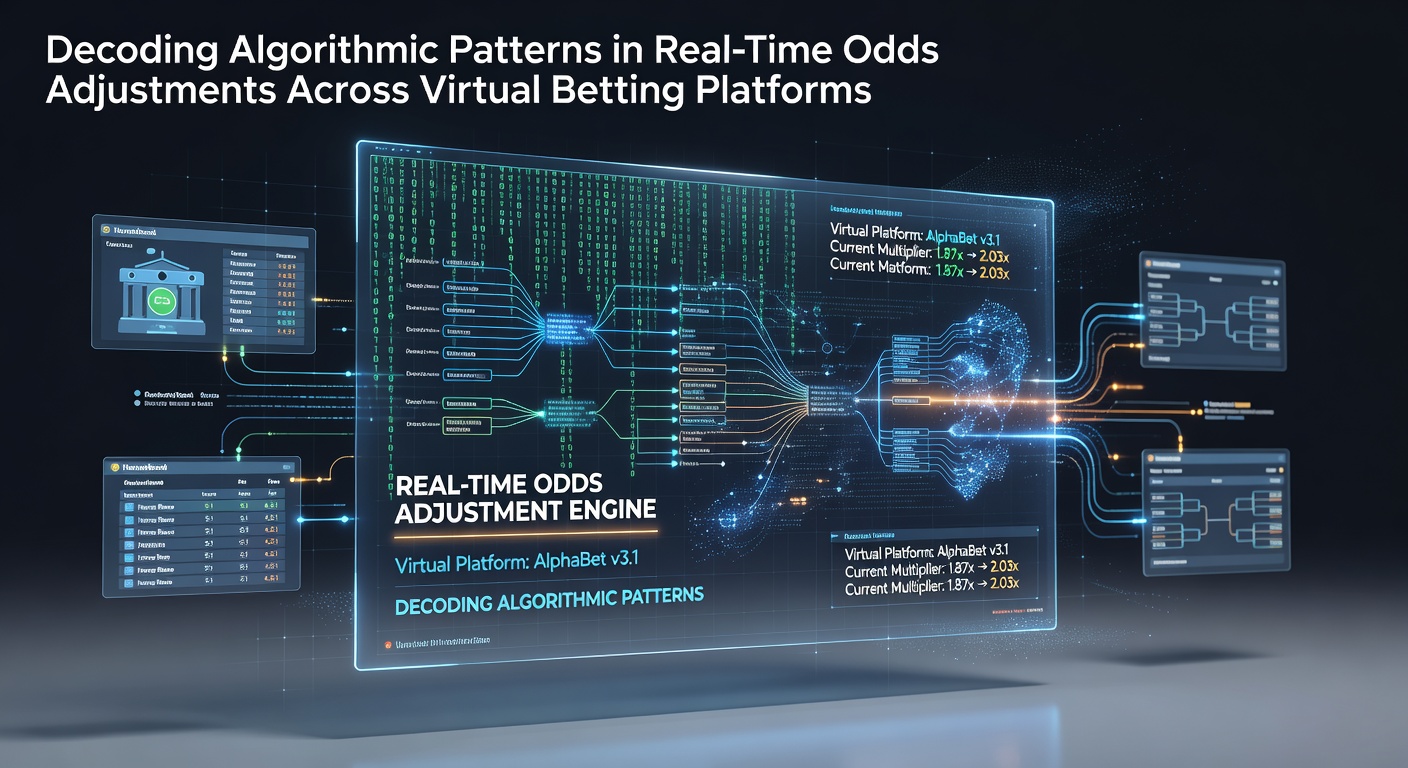
Virtual betting platforms rely on sophisticated algorithms to modify odds continuously as events unfold and user activity shifts, creating dynamic pricing that responds to live data streams rather than static calculations. These systems process thousands of inputs per second, including betting volumes, player demographics, historical outcomes, and external factors such as weather or team news, then recalibrate probabilities to maintain balanced books for operators. Observers note that the core mechanism involves machine learning models trained on vast datasets, which identify emerging trends and trigger adjustments before manual oversight becomes necessary.
Core Components of Real-Time Adjustment Systems
Algorithms in this space combine rule-based logic with predictive analytics, where initial odds derive from statistical models built on past performances and then evolve through reinforcement learning loops that reward accurate forecasting. Data pipelines ingest information from multiple sources simultaneously, ranging from in-game statistics feeds to social media sentiment analysis, allowing platforms to detect anomalies like sudden spikes in wagers on a particular outcome. Researchers have documented how these models incorporate volatility measures, scaling adjustments proportionally to liquidity levels so that thinly traded markets experience sharper shifts while high-volume ones remain relatively stable.
Patterns Emerge from Volume and Timing Data
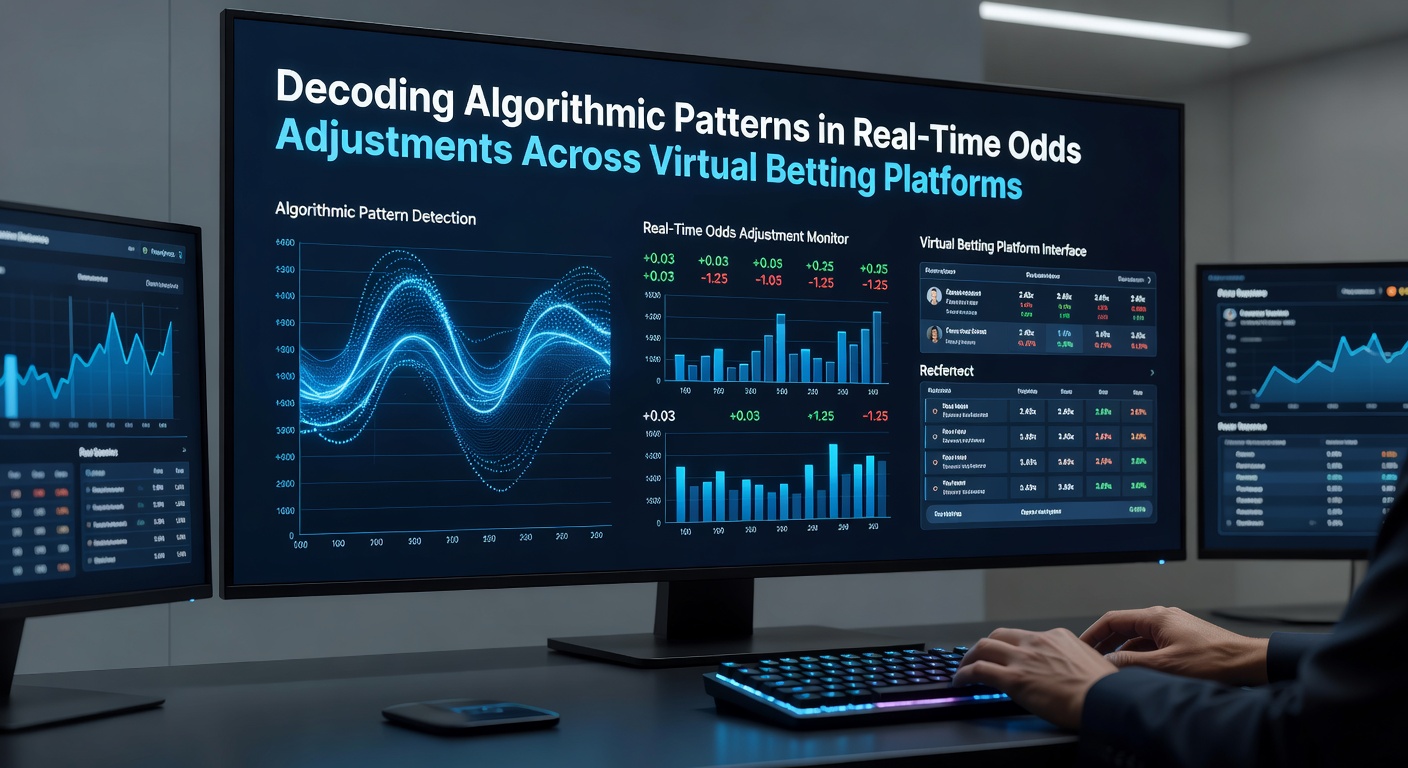
One recurring pattern shows algorithms tightening spreads during peak engagement periods, such as major tournament finales, by analyzing the rate of incoming bets and correlating it with payout liabilities. Studies indicate that adjustments often cluster around threshold events, for instance when total wagered amounts cross predefined risk parameters, prompting automated recalibrations that favor the house margin without disrupting user experience. Platforms operating across regions demonstrate geographic variations in these patterns, with European markets exhibiting more conservative tweaks compared to faster-moving Asian exchanges due to differing regulatory tolerances for variance.
Integration with Broader Platform Infrastructure
Real-time systems connect directly to risk management dashboards that flag potential exploits or coordinated betting syndicates, using pattern recognition to isolate irregular sequences that deviate from expected distributions. In May 2026, several major operators rolled out enhanced modules incorporating quantum-inspired optimization techniques for faster convergence on equilibrium prices, reducing latency between data ingestion and visible odds changes to under 200 milliseconds. Industry reports from the Canadian Gaming Association highlight how these upgrades improved settlement accuracy across virtual sports and e-sports titles, where rapid score changes demand immediate probabilistic updates to prevent arbitrage opportunities.
Regulatory Influences on Algorithmic Design
Government frameworks shape the permissible range of adjustments, requiring operators to log every modification with timestamps and justification metadata for audit purposes. The Malta Gaming Authority has established guidelines that mandate transparency in model governance, compelling platforms to demonstrate that algorithms do not inadvertently disadvantage specific user segments through biased data weighting. Academic analyses from the University of Sydney's gambling research unit reveal that compliance layers often add secondary checks, such as human-in-the-loop reviews for extreme volatility scenarios, which slow but stabilize the overall adjustment cadence.
Observed Impacts on User Behavior and Market Dynamics
Betting participants encounter these algorithmic outputs through mobile interfaces that refresh continuously, and data from platform analytics shows increased session durations when odds move in predictable waves rather than abrupt jumps. Patterns of late-stage hedging appear frequently in high-stakes virtual events, where algorithms detect closing windows and compress margins to discourage last-minute reversals. External factors like regulatory announcements or technological outages introduce temporary disruptions, after which recovery algorithms restore baseline stability by referencing pre-event reference points stored in distributed ledgers.
Conclusion
Decoding these algorithmic patterns requires examining the interplay between data velocity, model architecture, and oversight mechanisms that together sustain fair yet profitable operations across virtual betting ecosystems. Continued evolution in processing capabilities promises even tighter integration with live event streams, while geographic regulatory differences maintain distinct operational signatures in each market segment.