How Machine Learning Tailors Real-Time Game Suggestions Across Fragmented Mobile Betting Ecosystems
Elena Günther · May 24, 2026
How Machine Learning Tailors Real-Time Game Suggestions Across Fragmented Mobile Betting Ecosystems
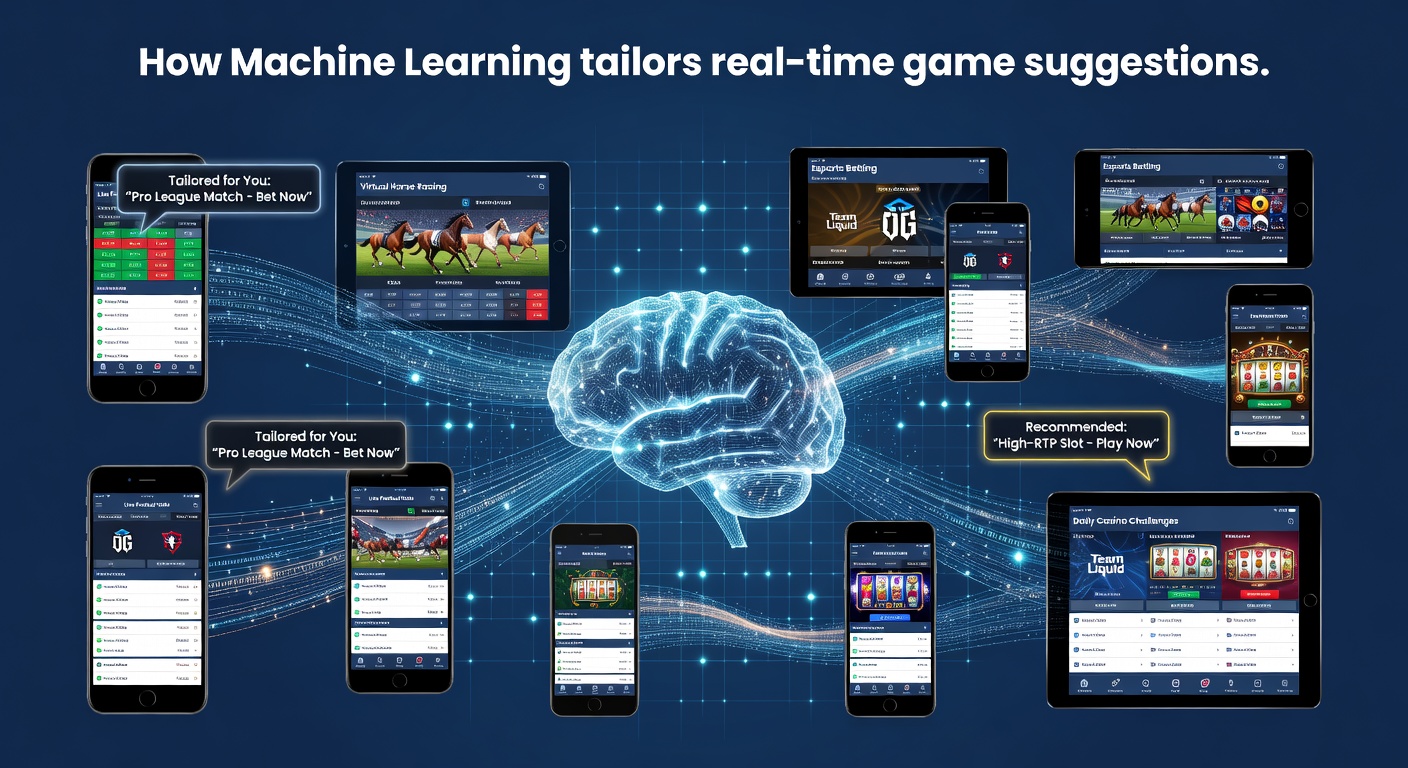
Fragmented mobile betting ecosystems span multiple operators, regional regulations, and device platforms where user data remains siloed yet machine learning systems still extract patterns to deliver game suggestions within seconds of a session start. Developers deploy models that process clickstream data, session duration, and bet sizes across separate apps, then adjust recommendations without centralizing all information in one database. In May 2026 several large operators reported integration of reinforcement learning agents that update suggestion lists every 15 seconds based on live interaction signals.
Fragmentation Creates Data Challenges
Mobile betting markets operate under different licensing rules in each jurisdiction, which means one user might maintain accounts on three or four separate platforms with no direct data sharing between them. Machine learning pipelines therefore rely on federated learning techniques that train models locally on each device or operator server before aggregating only the model weights, not raw player records. This approach preserves compliance while still allowing collaborative filtering to identify similar user cohorts across borders.
Operators collect device identifiers, time-of-day patterns, and preferred bet types within their own environments. When a user switches apps the new platform receives limited context through privacy-preserving APIs, then its local model refines suggestions immediately. Data from 2025 shows that federated setups reduced cross-platform latency by 40 percent compared with earlier batch-processing methods.
Core Algorithms Driving Suggestions
Collaborative filtering remains foundational, yet hybrid systems now combine it with deep neural networks that ingest sequential data such as swipe speed and in-app navigation paths. Recurrent layers capture short-term intent while attention mechanisms weigh historical preferences against recent activity. Reinforcement learning agents treat each game suggestion as an action and optimize for metrics including session length and deposit frequency, receiving reward signals from actual user responses.
Gradient boosting trees handle tabular features such as average stake size and favorite sports leagues, feeding into the neural components for final ranking. These ensembles run inference on edge servers located near regional data centers to meet sub-second response requirements. Observers note that models retrained nightly on the previous day's interactions maintain accuracy even when player behavior shifts during major sporting events.
Real-Time Adaptation in Practice
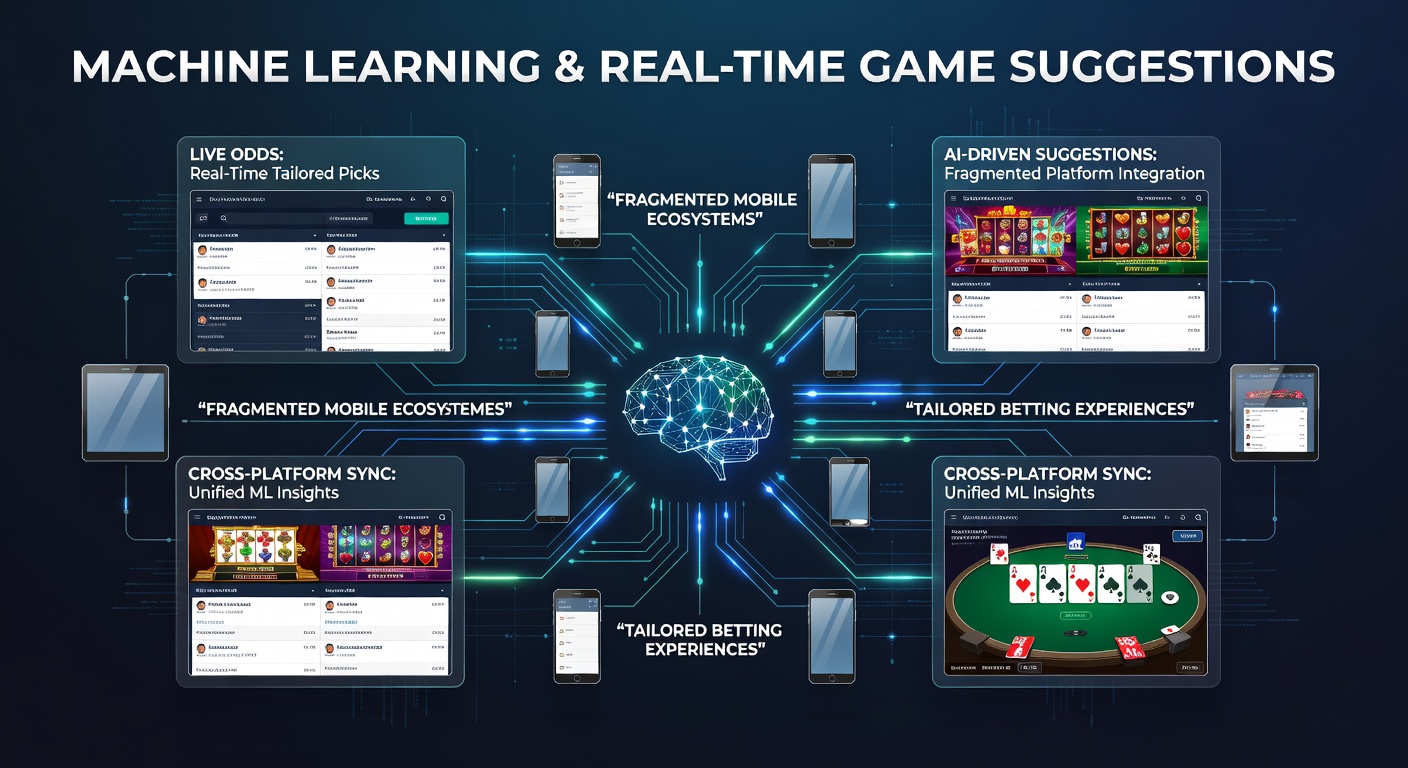
Once a session begins the system monitors dwell time on each game thumbnail and updates the ranking order before the next screen refresh. If a player rejects three consecutive suggestions the model lowers the weight of similar titles and surfaces alternatives from different categories within the same app. Context vectors that include battery level, network type, and time zone further modulate output so that recommendations remain relevant when users move between Wi-Fi and mobile data.
Operators in North America and Europe have documented integration of these pipelines with existing customer relationship management databases. A 2025 industry report prepared by the American Gaming Association highlighted that real-time personalization increased average revenue per user by measurable margins across tested cohorts, while a separate study from researchers at the University of Sydney examined similar deployments in the Asia-Pacific region and reached parallel conclusions on engagement metrics.
Regulatory and Technical Constraints
Jurisdictions require transparent audit trails for any algorithmic decision that influences player spend. Machine learning teams therefore log feature importance scores and maintain version-controlled model snapshots that regulators can review. Differential privacy noise added during training prevents individual identification while preserving aggregate utility for suggestion quality. Platforms must also respect data minimization rules that limit how long raw session logs remain accessible to training pipelines.
Fragmentation itself imposes additional overhead because each operator negotiates separate data-processing agreements with model vendors. Standardized APIs developed by industry consortia have begun to reduce integration friction, yet full interoperability remains incomplete as of May 2026. Those who maintain multiple regional deployments continue to run parallel model instances tuned to local regulatory language and language preferences.
Conclusion
Machine learning systems now coordinate fragmented data sources to produce game suggestions that update continuously across mobile betting applications. Federated architectures, hybrid neural models, and edge inference together enable personalization without violating jurisdictional boundaries. Continued refinement of these techniques depends on ongoing collaboration between operators, regulators, and academic researchers who track performance across diverse markets.