How Third-Party Verification Services Recalibrate Trust Metrics Among Fragmented Digital Betting Operators Worldwide
Quinn Walter · Aug 13, 2026
How Third-Party Verification Services Recalibrate Trust Metrics Among Fragmented Digital Betting Operators Worldwide
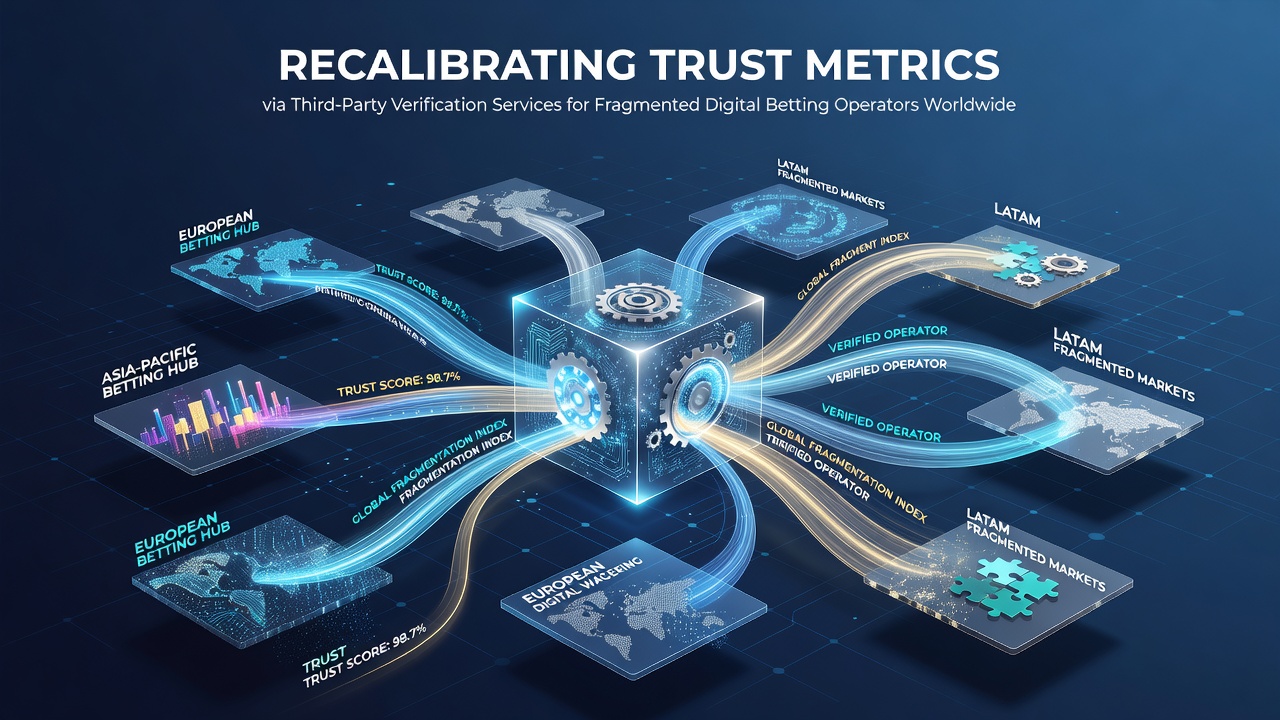
Fragmented digital betting operators operate across dozens of jurisdictions with varying licensing standards, and third-party verification services step in to standardize trust evaluations through independent audits and technical assessments. These organizations conduct random number generator tests, security reviews, and financial solvency checks that operators then display as certification badges on their platforms. Data from regulatory filings shows that platforms displaying such seals often experience shifts in user retention patterns, particularly in markets where local oversight remains limited.
Core Functions of Verification Providers
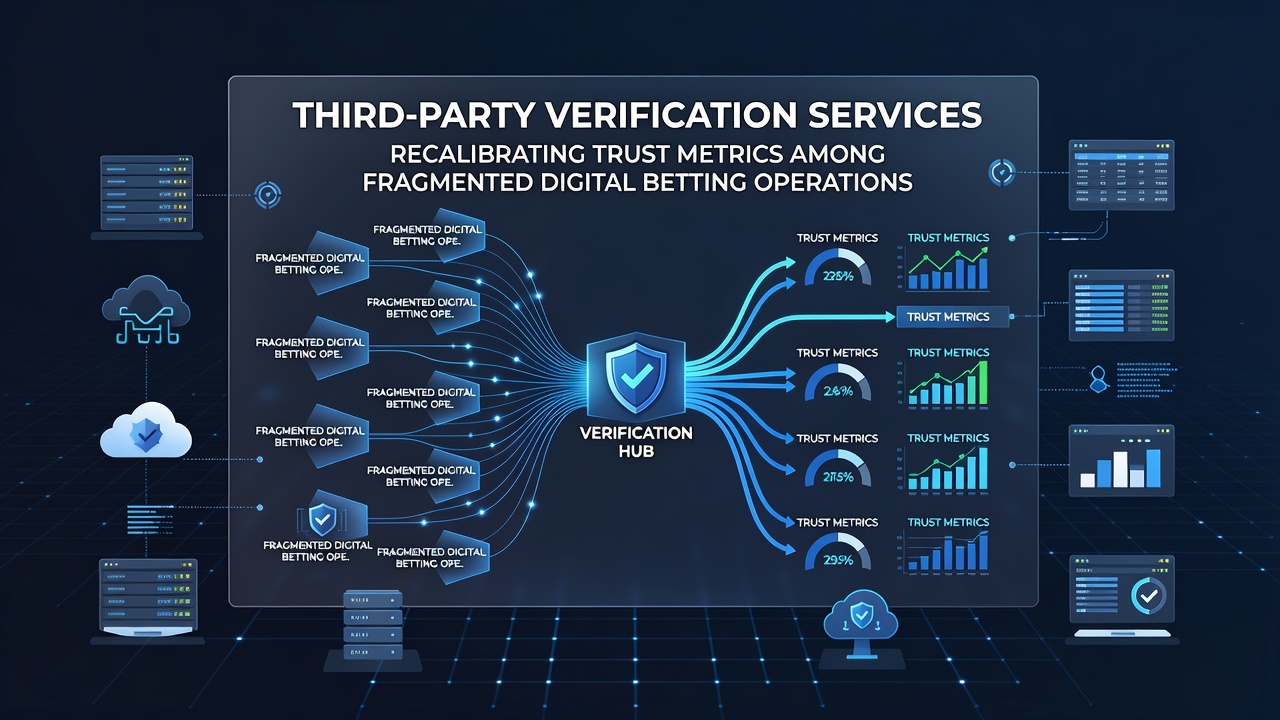
Verification firms like eCOGRA and iTech Labs perform standardized evaluations that include live game monitoring, payout ratio calculations, and anti-money laundering protocol reviews, while operators submit operational data on a scheduled basis for ongoing compliance tracking. In August 2026 several operators in emerging Asian markets adopted these services after local regulators updated cross-border data sharing requirements, resulting in unified reporting formats that reduced discrepancies between regional subsidiaries. Observers note that this process creates comparable trust metrics across operators who otherwise compete under separate national rulesets.
Technical testing covers server-side encryption strength and player fund segregation procedures, and certification renewal cycles typically run every six months with interim spot checks triggered by complaint volume thresholds. Those who've studied platform adoption rates find that smaller operators gain measurable visibility advantages once they secure these credentials, since larger fragmented groups already maintain internal compliance teams yet still seek external validation to enter new territories.
Regional Adaptations and Metric Shifts
European operators frequently combine third-party seals with national licensing from bodies such as the Malta Gaming Authority, whereas North American platforms reference certifications alongside state-level approvals from agencies like the New Jersey Division of Gaming Enforcement. New Jersey Division of Gaming Enforcement reports indicate that verification documentation now factors into license renewal scoring for mobile operators serving multiple states. In Australia, similar services align with requirements from the Australian Communications and Media Authority, creating parallel trust signals that help operators navigate both domestic and offshore user bases.
Fragmentation appears most pronounced in Latin American and African markets where national frameworks remain under development, and verification providers fill gaps by offering tiered audit packages scaled to operator size. Research indicates that operators who publish verification summaries alongside local licenses record higher average session durations in comparative analytics from 2025 through mid-2026. What's interesting is how these services recalibrate metrics by weighting factors such as complaint resolution speed and fund withdrawal timelines rather than relying solely on licensing jurisdiction prestige.
Impact on Operator Competition and User Perception
Operators in highly fragmented environments use verification results to differentiate their platforms when marketing to international audiences, and case examples show that certification announcements often coincide with expanded payment method integrations in specific regions. One study revealed that platforms displaying updated seals experienced measurable changes in affiliate referral traffic patterns during the first quarter of 2026. Those who've tracked these trends point out that verification also influences algorithmic rankings on aggregator sites that list betting options across borders.
Financial audits conducted by these services examine reserve account balances and insurance coverage levels, producing reports that operators share with prospective partners or institutional investors. In markets with frequent regulatory updates, such as parts of Eastern Europe and Southeast Asia, verification timelines have shortened to accommodate rapid compliance adjustments. Data shows that operators maintaining continuous certification avoid certain operational restrictions that apply to unverified competitors during enforcement sweeps.
Future Trajectories for Standardized Trust
Verification providers continue expanding their scope to include emerging technologies such as blockchain-based transaction logging and AI-driven risk detection modules, and integration with existing regulatory sandboxes allows operators to test new features under monitored conditions. Academic research from institutions examining global gambling ecosystems highlights how standardized metrics reduce information asymmetry between operators and users across fragmented markets. As August 2026 progressed, several providers announced collaborative frameworks with Canadian provincial regulators to harmonize audit criteria for cross-province operations.
These developments suggest ongoing recalibration of trust metrics will depend on verification services maintaining independence while adapting protocols to new regulatory and technological realities in digital betting worldwide.
Conclusion
Third-party verification services establish consistent evaluation frameworks that fragmented digital betting operators apply across diverse regulatory landscapes, producing comparable trust indicators through technical audits and compliance monitoring. Regional authorities integrate these external assessments into licensing processes, while operators leverage certifications to support expansion and user engagement strategies. Continued evolution of verification protocols will shape how trust metrics function amid ongoing market fragmentation and technological change.