Interface Adaptations in Response to Accessibility Mandates Across Portable Wagering Platforms
Quinn Walter · Jul 23, 2026
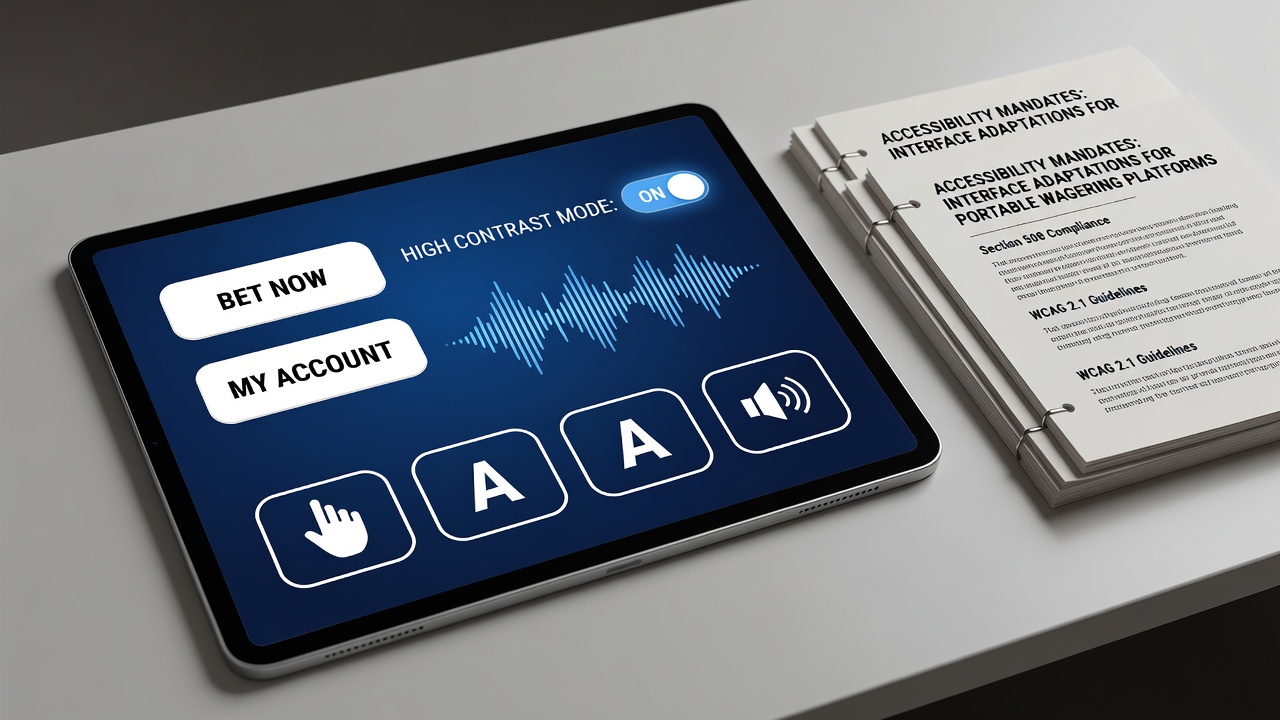
Interface Adaptations in Response to Accessibility Mandates Across Portable Wagering Platforms
Portable wagering platforms have adjusted their interfaces to meet accessibility mandates that governments and regulatory bodies introduced in recent years, and these changes affect how users navigate betting options on smartphones and tablets. Data from industry reports indicates that operators implemented features such as voice navigation, adjustable text sizes, and screen reader compatibility to align with standards like the European Accessibility Act and similar rules in other regions. As of July 2026 several platforms rolled out updates that expanded these capabilities across multiple operating systems.
Regulatory Drivers Behind the Changes
Authorities in Australia, Canada, and the European Union issued updated guidelines that required digital services including wagering applications to provide equivalent access for users with visual, auditory, or motor impairments. The Australian Government Digital Transformation Agency outlined specific criteria for mobile applications that operators adopted to maintain compliance, and figures from regulatory filings show increased investment in interface redesigns during 2025. Those who analyzed compliance data found that platforms prioritized high-contrast color schemes and resizable fonts because these elements addressed the most common user feedback collected through support channels.
Researchers at institutions tracking digital service standards noted that mandates often referenced WCAG 2.2 guidelines, which pushed developers to integrate semantic markup and keyboard alternatives for touch-based controls. One study revealed that applications without these adjustments faced restricted distribution in certain markets, and this pressure accelerated adaptation timelines across major operators.
Key Interface Modifications Implemented
Developers introduced larger touch targets and gesture alternatives that reduced accidental selections during live betting sessions, and these adjustments appeared consistently in updates released throughout 2025. Voice command integration allowed users to place wagers or check odds without relying on visual menus, while haptic feedback provided confirmation for actions in environments where audio output might not suit the setting. Platforms also added customizable layouts that let individuals reposition buttons and panels based on their interaction preferences.
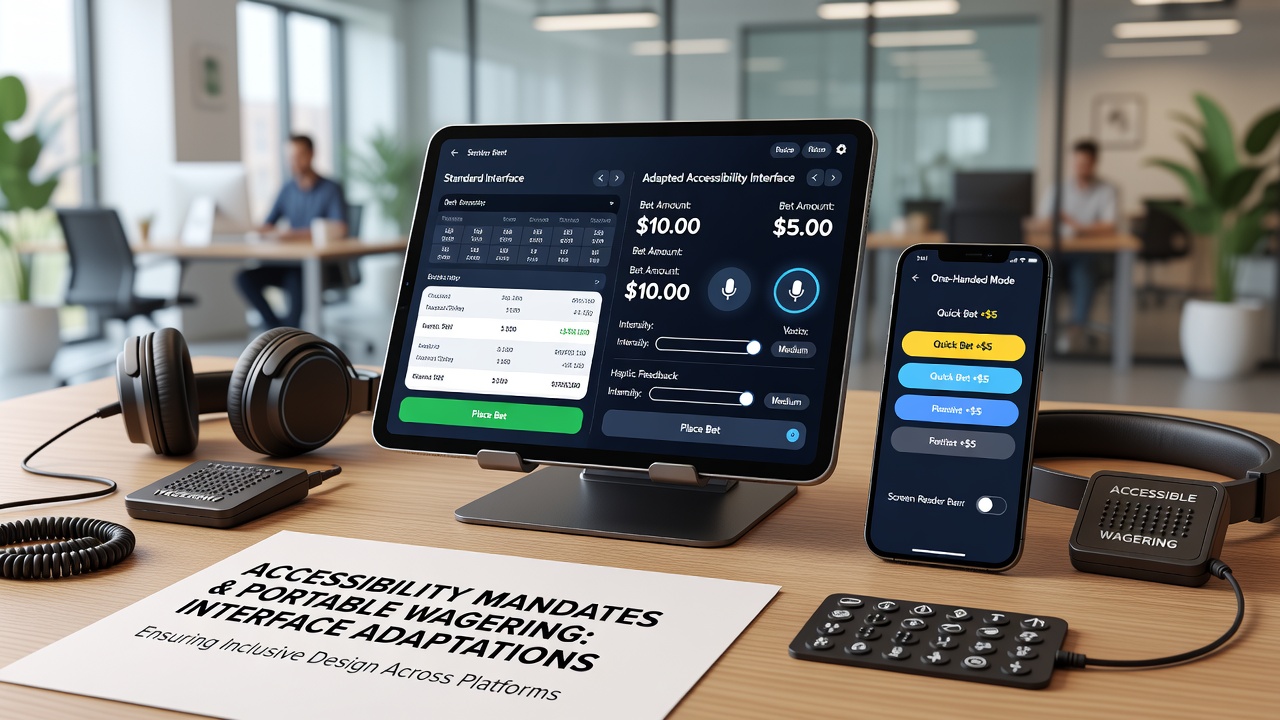
Color contrast ratios met or exceeded minimum thresholds in updated designs, and developers tested these elements across various lighting conditions to ensure readability. Observers tracking app store listings documented the addition of alternative text for all graphical elements and the inclusion of closed captioning options for video-based promotions or live event streams. Data shows that these features reduced support queries related to navigation difficulties by measurable percentages in the first half of 2026.
Technical Approaches Across Different Platforms
Operators employed frameworks that supported dynamic scaling and real-time accessibility checks during development cycles, and this approach allowed teams to verify compliance before each release. Some platforms integrated third-party libraries for text-to-speech conversion while others built custom solutions tailored to regional language requirements. Those who examined update logs noticed that iOS and Android versions received synchronized changes to maintain consistent experiences across devices.
Case examples from operators in North America and Europe illustrate how testing with assistive technology users informed final designs, and reports from these sessions highlighted the value of iterative feedback loops. External audits conducted by independent firms confirmed that the adaptations met mandated benchmarks without compromising core betting functionality.
Impact on User Engagement Patterns
Analytics platforms recorded shifts in session durations after accessibility features became standard, with data indicating broader participation from previously underserved groups. Platforms that publicized their compliance efforts observed corresponding increases in retention metrics among users who relied on assistive technologies. Researchers continue to monitor these trends to understand long-term effects on interface evolution.
Conclusion
Accessibility mandates have driven measurable interface adaptations across portable wagering platforms, and the resulting changes reflect coordinated responses to regulatory requirements in multiple jurisdictions. Continued monitoring by industry groups and government agencies will shape further refinements as technology and standards evolve together.