Regional Regulatory Shifts Prompting Reevaluation of Mobile App Feature Priorities in Wagering Services
Elena Günther · Jun 2, 2026
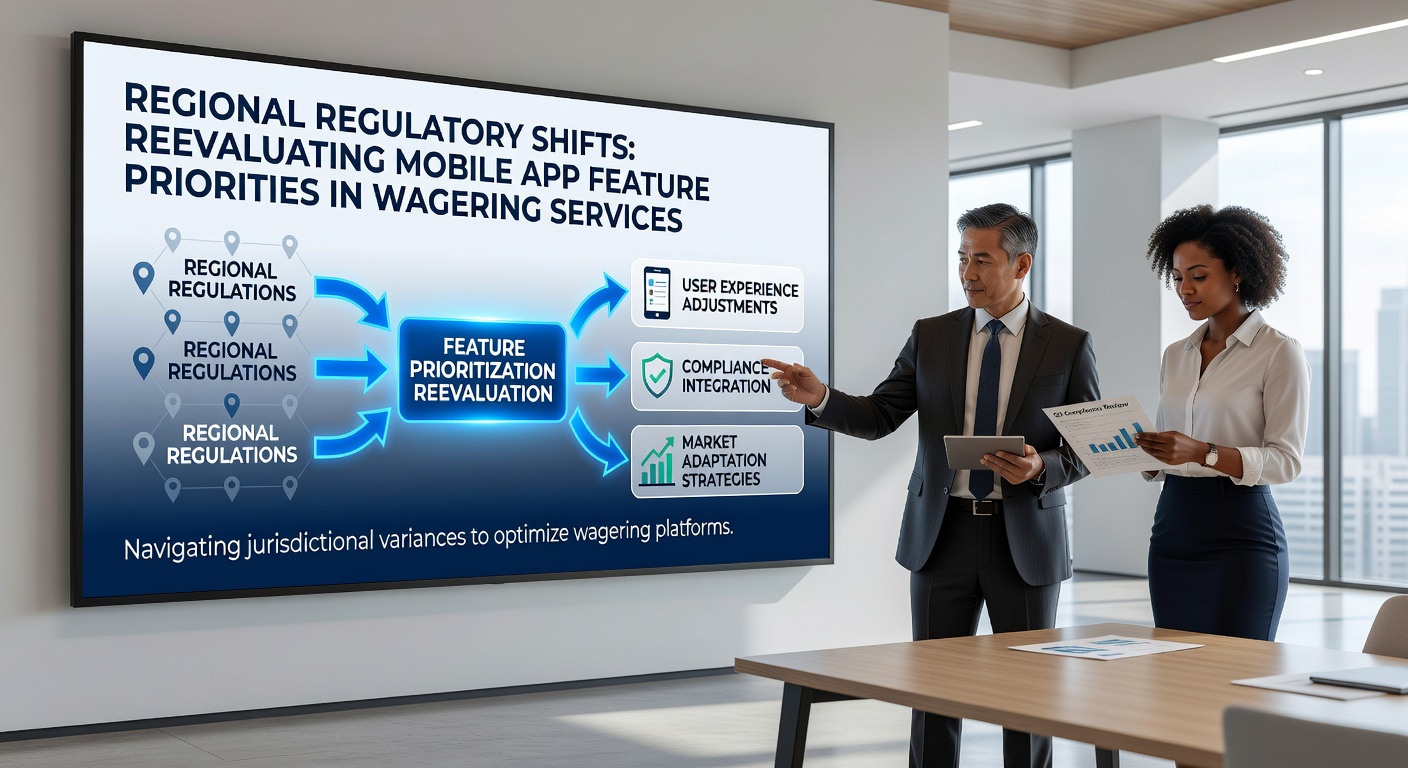
Regional Regulatory Shifts Prompting Reevaluation of Mobile App Feature Priorities in Wagering Services
Regulatory frameworks across multiple jurisdictions continue to evolve and operators in the wagering sector respond by adjusting mobile app functionalities to maintain compliance while preserving user engagement. Data from industry reports indicate that changes in licensing requirements, consumer protection standards, and cross-border data rules drive these adjustments, particularly as platforms expand into new markets through 2026.
Observers note that operators monitor updates from bodies such as the New Jersey Division of Gaming Enforcement and the Australian Communications and Media Authority, where recent directives emphasize enhanced verification processes and localized payment restrictions. These measures influence feature development cycles, with teams reallocating resources toward tools that address real-time reporting and user limit settings rather than purely promotional elements.
North American Developments and App Adjustments
State-level regulations in the United States prompt wagering services to integrate advanced geofencing and identity verification modules directly into mobile interfaces. In markets like New Jersey and Pennsylvania, updated guidelines effective into mid-2026 require apps to display spending caps and session timers prominently, which shifts development priorities away from social sharing features toward compliance dashboards. Research from academic institutions shows these modifications correlate with reduced user drop-off rates when verification flows streamline access across state lines.
Canadian provinces follow similar trajectories, with iGaming Ontario issuing directives that encourage apps to incorporate self-exclusion databases updated daily. Developers respond by embedding these checks into onboarding sequences, ensuring seamless transitions between deposit options and gameplay modules while meeting audit standards set by provincial regulators.
European and Asia-Pacific Regulatory Influences
Across the European Union, directives on data portability and responsible gaming push operators to refine app architectures for easier export of transaction histories and automated risk assessments. Reports from the European Commission highlight how these rules affect feature roadmaps, leading teams to prioritize modular designs that allow quick toggles for jurisdiction-specific limits without full app rebuilds.
In Australia and parts of Southeast Asia, restrictions on bonus structures and advertising placements force reevaluation of reward systems within mobile platforms. Operators integrate dynamic content filters that adjust based on user location, directing resources toward transparent odds displays and educational pop-ups instead of aggressive promotional banners. Data from government sources reveal these adaptations help platforms align with upcoming enforcement timelines around June 2026.

Feature Prioritization Trends Across Platforms
Teams at major wagering providers now allocate greater portions of development budgets to backend integrations that support automated compliance reporting and multi-jurisdictional payment gateways. According to figures from industry analyses, this includes enhanced encryption for user data flows and APIs that sync with third-party verification services in real time. Such priorities emerge because fragmented rules across borders demand flexible codebases capable of handling varied deposit thresholds and withdrawal timelines.
Case examples demonstrate how one major operator adjusted its mobile sportsbook to include region-locked game libraries after regulatory reviews in several Asian markets. The changes allowed continued access to core betting functions while disabling certain live features in restricted zones, illustrating a pattern where core stability takes precedence over experimental additions.
Impacts on User Experience and Technical Implementation
App updates increasingly bundle responsible gaming tools as default components rather than optional add-ons, reflecting requirements from multiple oversight entities. This includes progress trackers for playtime and loss limits that activate automatically upon account creation, with data indicating higher retention when these elements integrate smoothly with existing navigation flows.
Technical teams emphasize scalable cloud solutions to manage the computational load from continuous regulatory checks, and this infrastructure supports rapid deployment of patches when new rules surface in any given region. Evidence from platform performance metrics shows that apps with prebuilt compliance layers experience fewer service interruptions during transition periods.
Conclusion
Regional regulatory shifts continue to reshape mobile app strategies in wagering services through targeted feature enhancements focused on verification, payment flexibility, and user safeguards. As frameworks stabilize around June 2026 timelines, operators maintain adaptability by embedding modular components that respond to jurisdiction-specific demands without compromising core functionality. These patterns underscore the sector's ongoing alignment between compliance obligations and operational efficiency across global markets.