The Interplay of Satellite Data and Live Odds Calibration in International Horse Racing Platforms
Rafael Baumann · Jul 7, 2026
The Interplay of Satellite Data and Live Odds Calibration in International Horse Racing Platforms
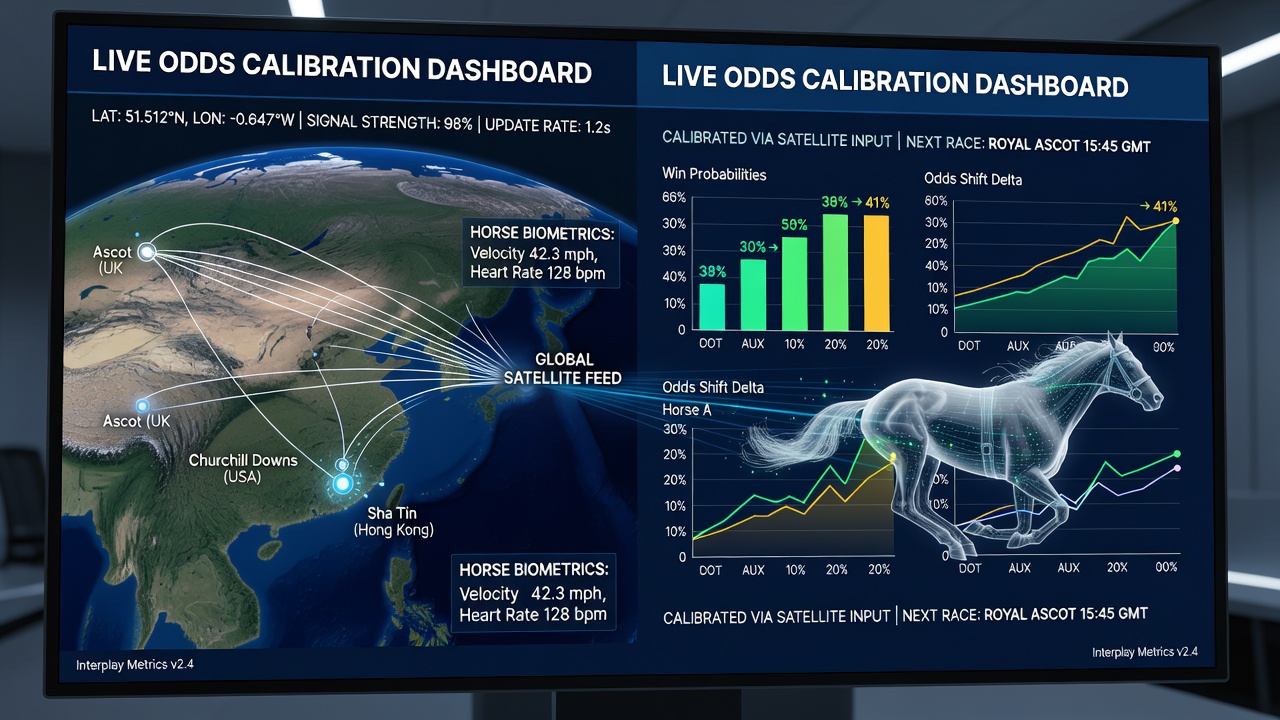
International horse racing platforms now rely on satellite-derived positioning data to adjust live odds in real time, and this integration has expanded significantly over the past decade. Data from GPS-enabled sensors on horses and jockeys flows directly into algorithmic models that recalibrate betting lines during races, creating tighter correlations between on-track performance metrics and market movements across multiple jurisdictions.
Satellite Systems in Modern Racing Operations
Global navigation satellite systems provide continuous location, speed, and acceleration readings from devices attached to each competitor, and racing authorities in Australia, the United States, and parts of Europe have standardized these feeds for both safety and data integrity. Observers note that platforms processing these streams achieve sub-second latency when transmitting updates to odds engines, which allows bookmakers to respond to mid-race developments such as a sudden pace change or a horse drifting wide on the turn.
Research from the University of Melbourne's equine performance laboratory indicates that satellite accuracy reaches 10 centimeters under optimal conditions, and this precision supports detailed sectional timing that feeds directly into probability calculations. Those calculations then drive automated adjustments on betting interfaces serving users in multiple time zones.
Live Odds Calibration Mechanisms
Algorithms combine satellite telemetry with historical race data, weather inputs, and betting volume to modify odds dynamically, and the process occurs without manual intervention once thresholds are met. For instance, a horse that records an unusually high stride rate in the opening furlongs can trigger an immediate tightening of its implied probability, while a rival showing reduced velocity prompts the opposite shift. This calibration loop operates continuously from the moment gates open until the finish line is crossed.
Regional Platform Variations
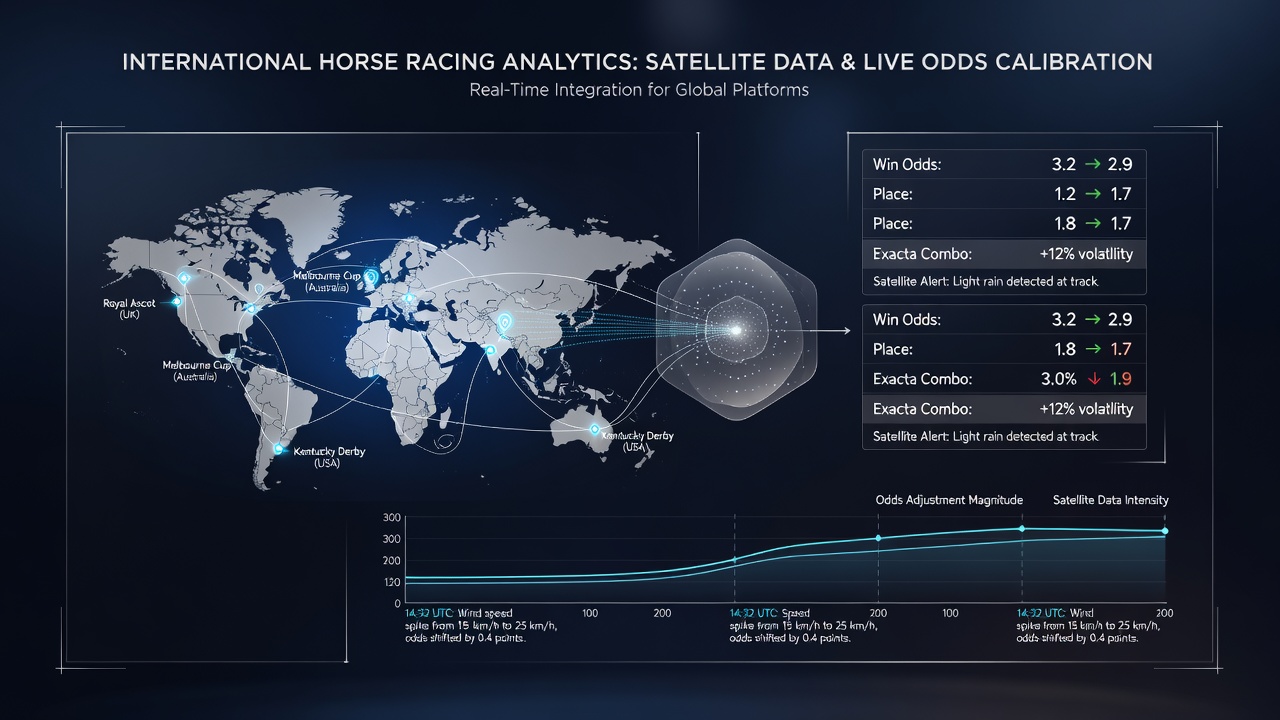
Platforms operating across Asia-Pacific markets integrate satellite data from local racing federations that maintain their own ground stations, whereas European operators often pull from shared satellite constellations managed through industry consortia. Data shows that these differences produce measurable variations in how quickly odds respond to the same on-track event, particularly when cross-border bettors place wagers on the same race. One study published by the International Federation of Horseracing Authorities found that average recalibration times ranged from 0.8 seconds in highly integrated systems to 2.4 seconds in networks with additional verification layers.
Impact on International Betting Flows
Cross-border wagering volumes have grown in tandem with satellite integration, and figures from the Australian Racing Board reveal that live betting on major international meetings increased by 27 percent between 2023 and 2025. The same data set links this growth to improved transparency around horse positioning, which reduces disputes over race outcomes and encourages higher participation from markets where bettors value granular performance metrics.
During the July 2026 international racing calendar, several major events incorporated enhanced satellite bandwidth that supported simultaneous tracking of up to 24 runners per race, and platforms adjusted odds within tighter confidence intervals as a direct result. Those adjustments occurred while maintaining compliance with varying regulatory frameworks in each participating country.
Technical and Regulatory Considerations
Latency, signal interference, and data encryption standards remain focal points for operators, and governing bodies such as the Canadian Pari-Mutuel Agency have issued technical bulletins outlining minimum satellite feed requirements for licensed platforms. These requirements emphasize redundant transmission paths and timestamp verification to prevent manipulation of live data streams. Industry reports from the European Pari-Mutuel Association further detail how encryption protocols protect the integrity of odds calibration when feeds cross multiple jurisdictions.
Platforms must also reconcile satellite data with local track timing systems, and discrepancies as small as 0.05 seconds can prompt manual overrides until automated reconciliation routines improve. Those routines continue to evolve through iterative testing conducted by racing technology providers in partnership with satellite service companies.
Conclusion
The combination of satellite positioning and automated odds calibration has become a standard operational feature across international horse racing platforms, and ongoing refinements continue to tighten the connection between physical race events and market responses. Data from multiple regulatory and academic sources confirms that this interplay supports higher volumes of live betting while maintaining measurable standards of accuracy and transparency. Future developments will likely center on bandwidth expansion and cross-network standardization, both of which are already under active discussion among racing authorities worldwide.