Wearable sensor data streams guiding personalized risk thresholds in unified casino and sportsbook applications
Quinn Walter · Jul 30, 2026
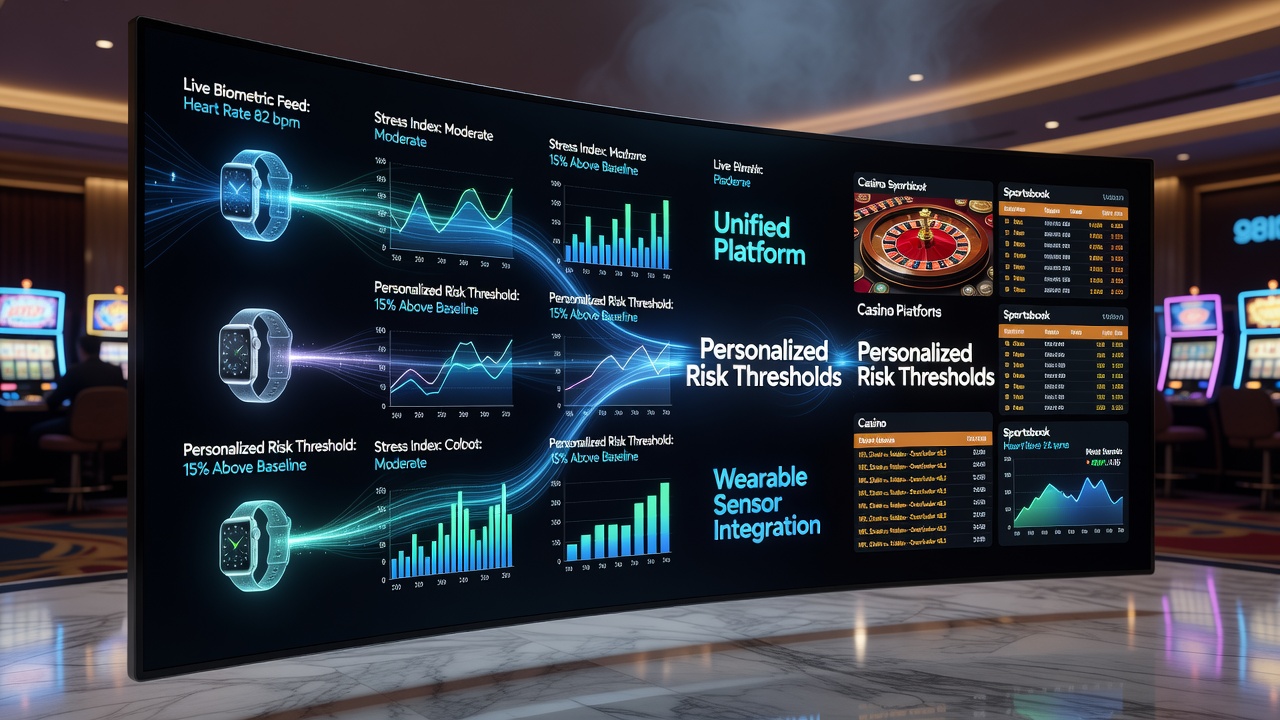
Wearable sensor data streams guiding personalized risk thresholds in unified casino and sportsbook applications
Integrated applications that combine casino games with sportsbook betting now draw on continuous streams from wearable devices to establish individualized risk thresholds, and this approach relies on metrics such as heart rate variability, skin conductance, and movement patterns that update every few seconds during active sessions. Operators feed these signals into backend systems where machine learning models compare current readings against a user's historical baseline, then modify deposit limits, bet size caps, or session timers accordingly without requiring manual input from the player.
Data streams and processing pipelines
Sensors embedded in smartwatches and fitness bands capture physiological signals that correlate with emotional arousal, while accelerometers track posture shifts that often accompany prolonged play or sudden reactions to outcomes, and these raw values travel through encrypted APIs directly into the unified platform's risk engine. Algorithms normalize the incoming data against age, typical activity levels, and prior session profiles so that an elevated heart rate during a losing streak triggers tighter thresholds for that specific account rather than applying a one-size-fits-all rule across the entire user base.
Research from the Australian Institute of Health and Welfare indicates that biometric indicators can surface behavioral changes several minutes before self-reported distress appears, allowing the system to intervene earlier through automatic prompts or temporary reductions in maximum wager amounts. Unified platforms synchronize these adjustments across both casino verticals and live sports markets so that a single risk profile governs roulette spins, slot reels, and in-play football bets within the same account.
Personalization mechanics in live environments
Thresholds adapt in real time because the models continuously retrain on each user's unique response patterns, and one player might show stable metrics during high-stakes sports wagers yet exhibit rapid heart-rate spikes during bonus-round casino play, prompting the application to lower casino-specific limits while leaving sportsbook exposure unchanged. Developers achieve this separation by tagging data streams with game-type metadata before they reach the decision layer, which then applies distinct weighting factors derived from aggregated but anonymized cohort studies.
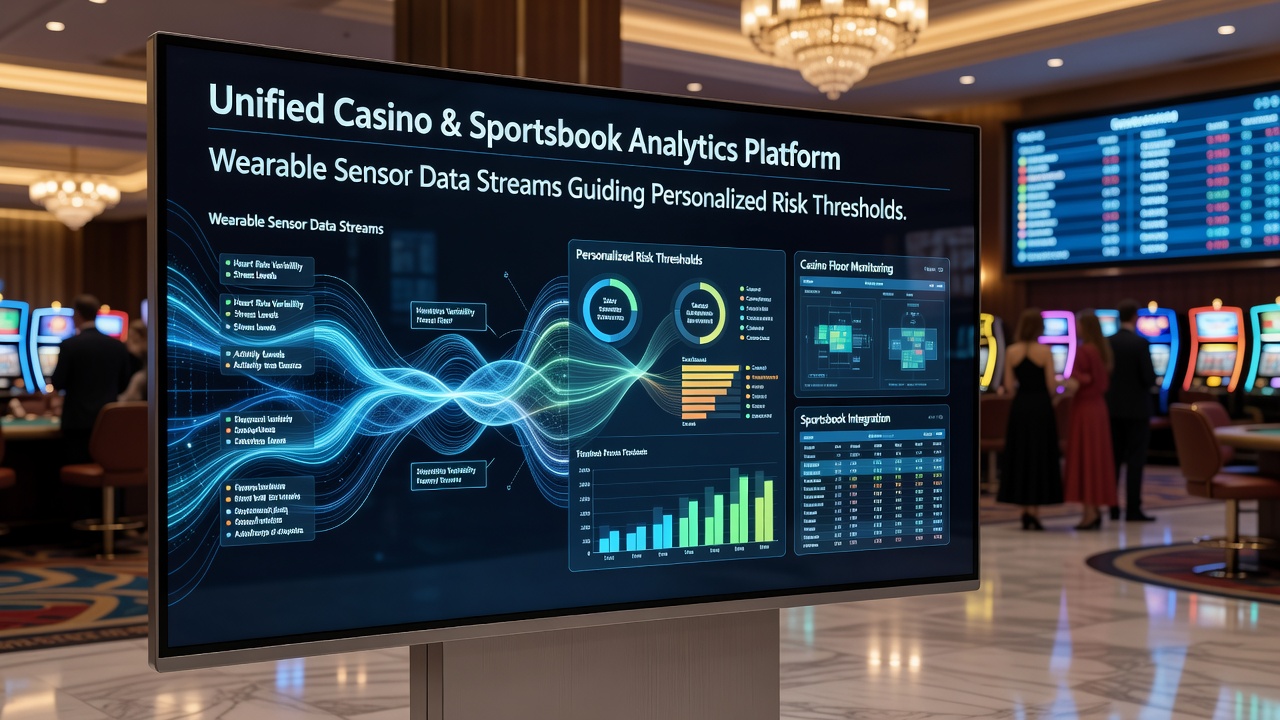
Platforms operating in multiple jurisdictions began rolling out expanded biometric modules during July 2026, with updates that incorporated additional signals from newer wearable models capable of measuring blood-oxygen saturation and sleep quality from the previous night. These additions refine baseline calculations because poor prior sleep often amplifies risk-taking tendencies, so the system preemptively tightens daily loss limits for accounts showing both elevated overnight stress markers and current-session arousal.
Regulatory alignment and technical standards
European regulators have examined these systems through pilot programs that require operators to demonstrate transparent mapping between biometric inputs and resulting threshold changes, and documentation must show how consent is obtained for each data category collected from wearables. Canadian provincial frameworks similarly emphasize audit trails that log every adjustment event, including the exact sensor values and model outputs that produced a given limit modification, thereby allowing independent reviewers to verify that interventions remain proportionate to measured indicators.
Industry groups such as the European Gaming and Betting Association have published technical guidelines outlining minimum sampling rates and encryption protocols for biometric feeds, and these standards ensure interoperability between different wearable brands and the central betting infrastructure without exposing raw health data beyond the risk-calculation layer. Implementation teams therefore maintain separate data lakes where only derived risk scores, rather than full physiological records, influence the live wagering environment.
Integration challenges and observed patterns
Device compatibility varies across user bases because older fitness trackers transmit data at lower frequencies than flagship smartwatches, forcing platforms to apply interpolation techniques that maintain consistent decision quality even when signal density drops. Battery drain and user opt-out rates also factor into deployment strategies, since continuous streaming requires background permissions that some players revoke after initial setup, prompting fallback to non-biometric controls for those accounts.
Observers note that session-duration distributions shift measurably once personalized thresholds activate, with high-arousal periods triggering earlier pauses that redistribute play across longer time windows rather than concentrating activity in short bursts. Cross-vertical consistency appears when a single unified profile governs both casino and sportsbook activity, because an intervention triggered by casino-game stress automatically carries over to pending sports wagers and prevents circumvention through vertical switching.
Conclusion
Wearable sensor integration into unified casino and sportsbook applications continues to evolve through iterative model refinements that incorporate additional physiological channels and broader regulatory feedback. Data pipelines now handle millions of daily readings while preserving user consent boundaries, and the resulting personalized thresholds operate without manual recalibration once baseline profiles stabilize. Continued collaboration between device manufacturers, platform operators, and oversight bodies supports further standardization of these mechanisms across jurisdictions.